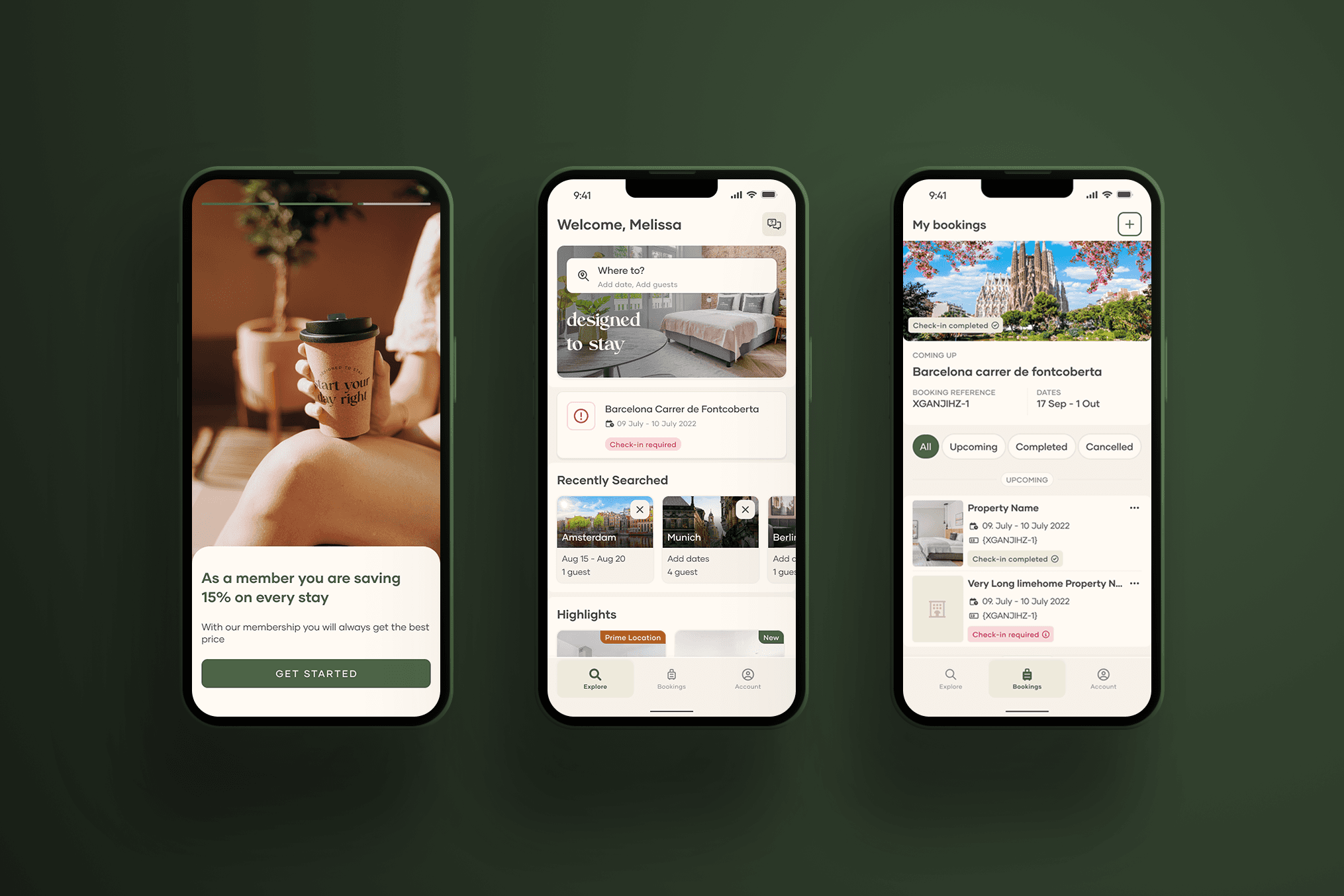
Limehome app

Limehome app

Limehome app

Guests expect seamless, mobile-first travel experiences.

Our goal: Build a mobile app that becomes the guest’s travel companion — simplifying their stay while reducing operational overhead.

Responsabilities

UX Research
UX/UI Design
QA testing

Tools

Figma
Maze
Miro
Hotjar

Type

Hybrid App

Timeline

9 months (2023/2024)

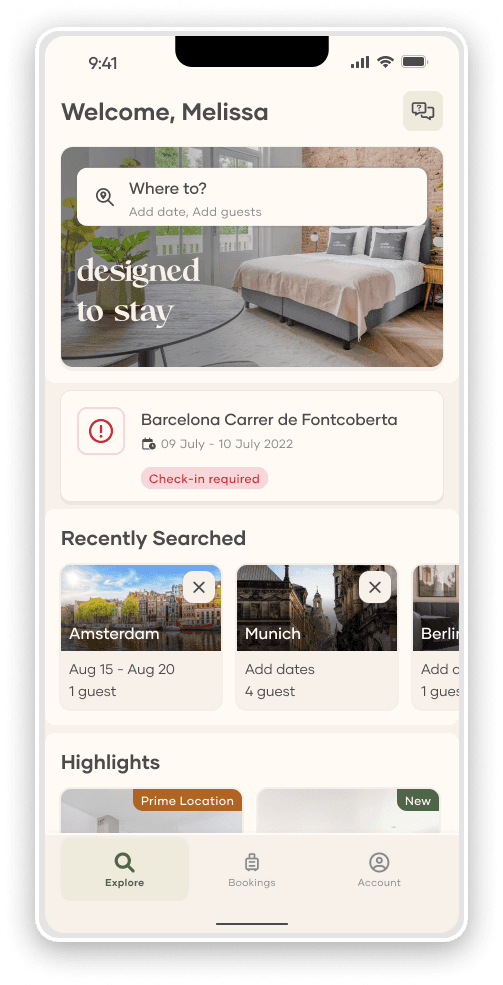
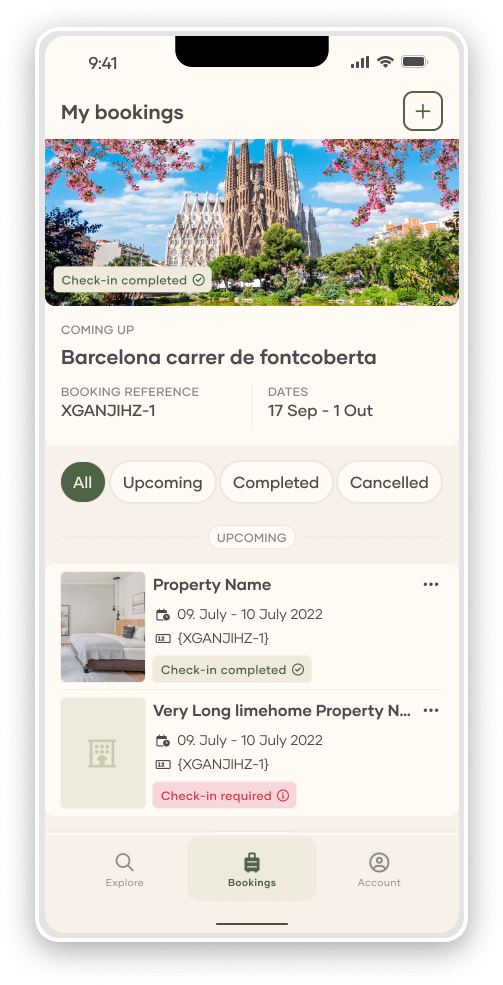
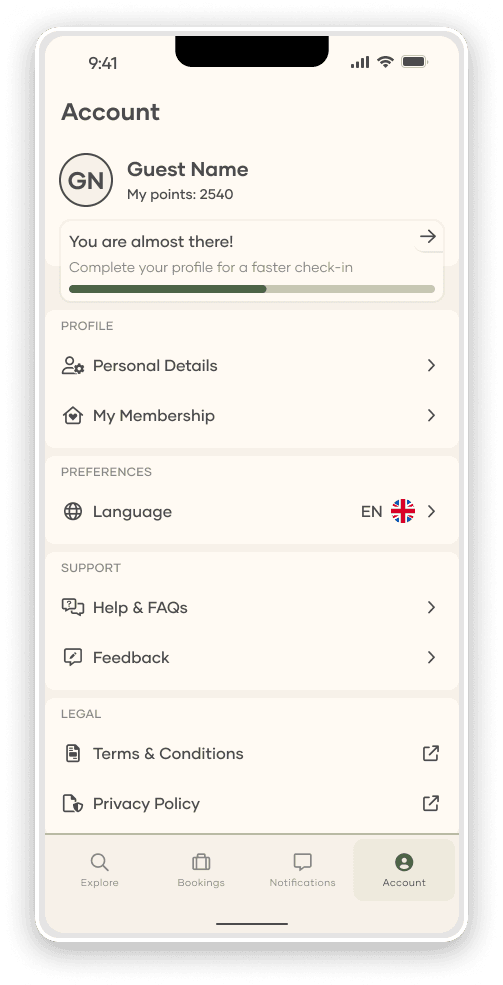
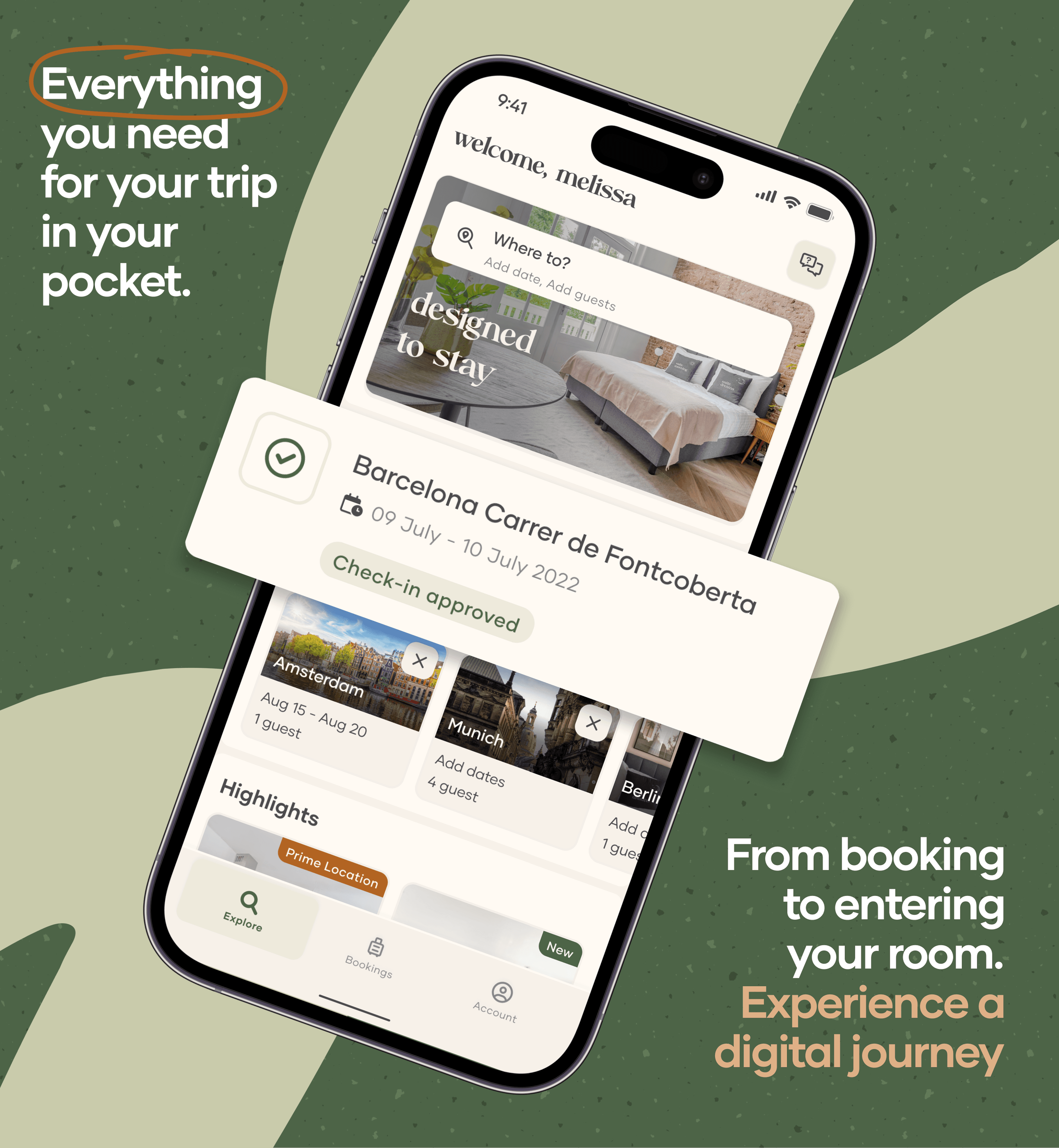
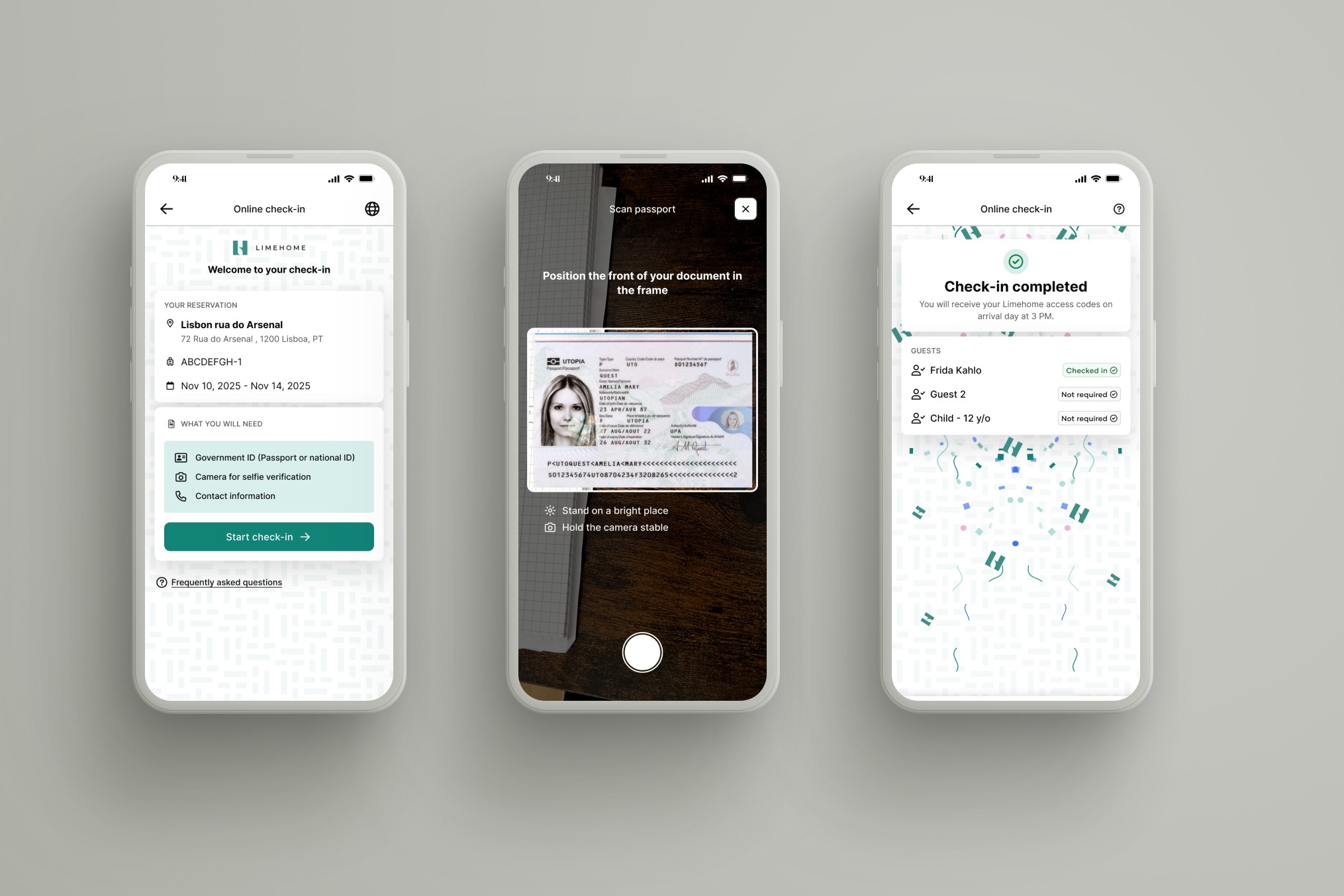
Designed the guest experience into a single mobile app, empowering self-service, increasing digital adoption, and streamlining operations while positioning as a digital-first hospitality brand.

Designed the guest experience into a single mobile app, empowering self-service, increasing digital adoption, and streamlining operations while positioning as a digital-first hospitality brand.

The opportunity

The opportunity

Guests expect mobile-first, seamless travel experiences. Limehome needed a central hub for all stay information, smart notifications, and self-service tools — improving both guest experience and operational efficiency.

The challenge

The challenge

Create a mobile app that serves as a travel companion, balancing:

  • Guest convenience and autonomy

  • Operational efficiency for Limehome

  • Brand positioning as modern and digital-first
What I focused on understanding

What I focused on understanding

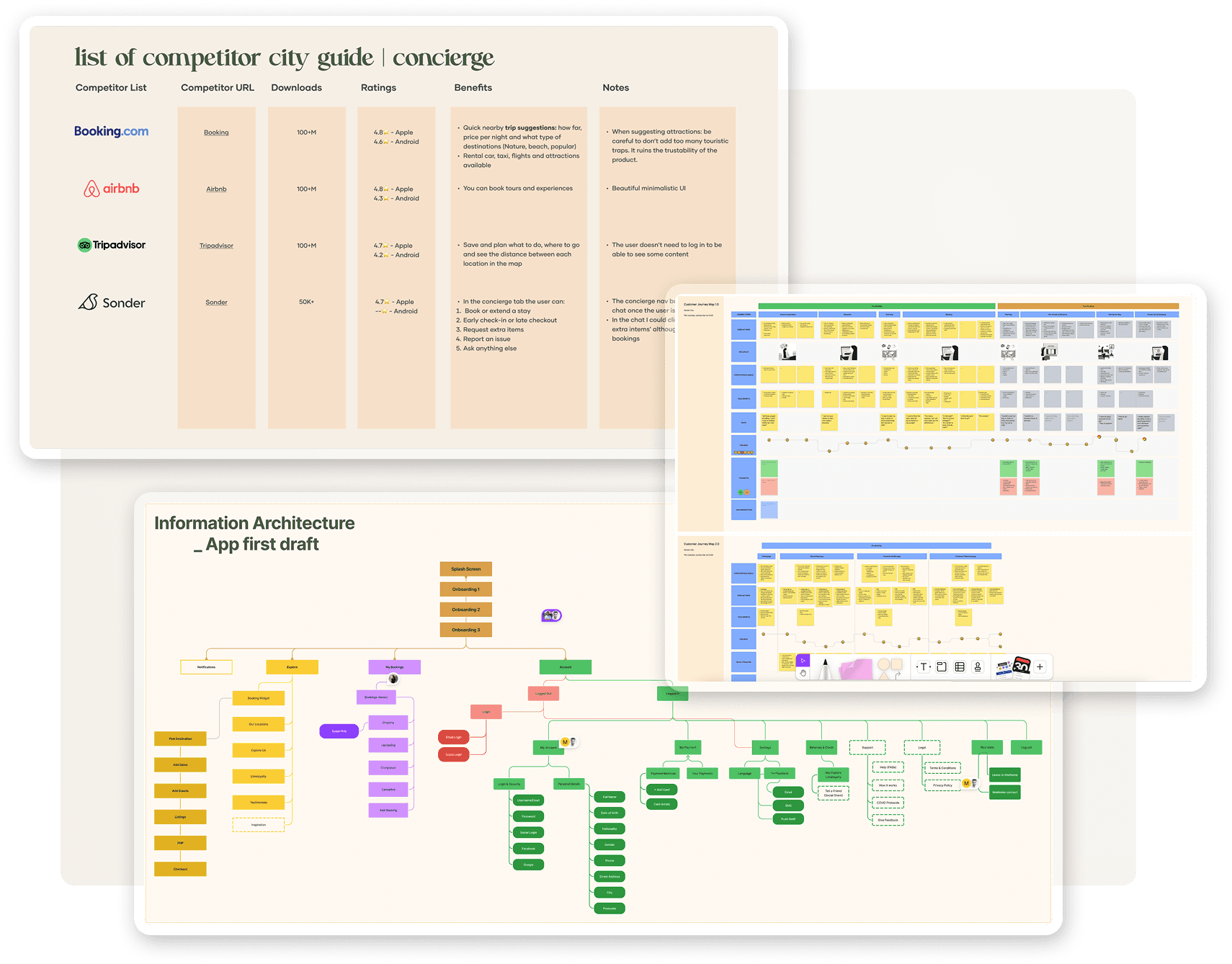
Insights from research:
  • Competitive analysis: Identified standard features and industry expectations

  • Customer journey mapping: Highlighted key interactions across online and offline touchpoints

  • Information architecture: Prioritized essential pages for development

Usability testing & validation
11

User interviews

11

User interviews

<10

Usabilitity tests

<10

Usabilitity tests

2

Guerrilla test sessions

2

Guerrilla test

6

Beta testers

6

Beta testers

1
Maze tests

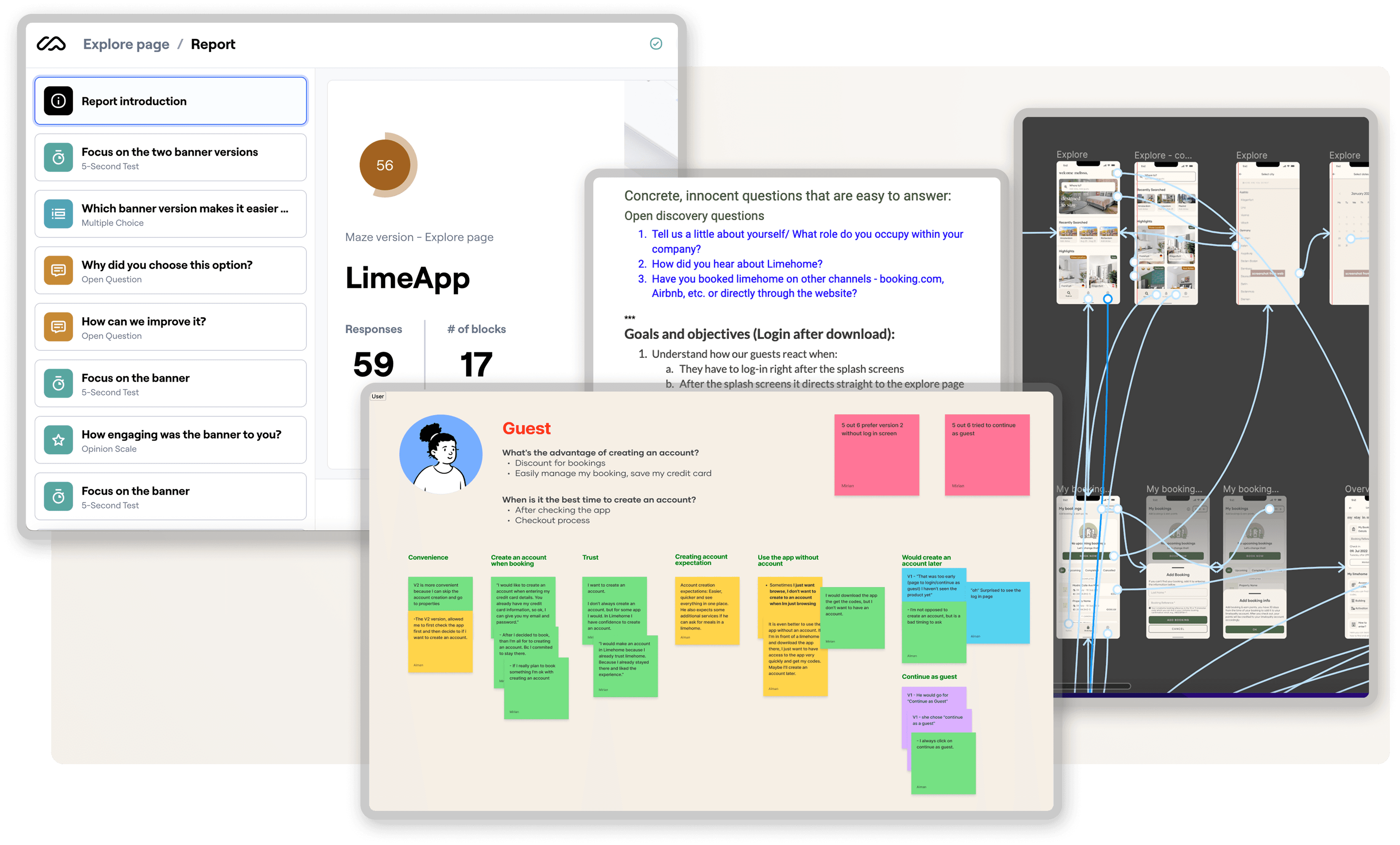
We conducted 6 user tests at various iteration stages using Maze to validate ideas.

3
Guerrilla usability test

In collaboration with a colleague from GX, we conducted two sessions at a coffee shop to test app screens.

2
Usability tests

We conducted usability tests early in the ideation phase to gauge overall app acceptance.

3
Analyze and interpret data

Following user interviews and tests, we analyze data using methods like the rainbow framework.

1
Maze tests

We conducted 6 user tests at various iteration stages using Maze to validate ideas.

2
Usability tests

We conducted usability tests early in the ideation phase to gauge overall app acceptance.

3
Guerrilla usability test

In collaboration with a colleague from GX, we conducted two sessions at a coffee shop to test app screens.

3
Analyze and interpret data

Following user interviews and tests, we analyze data using methods like the rainbow framework.

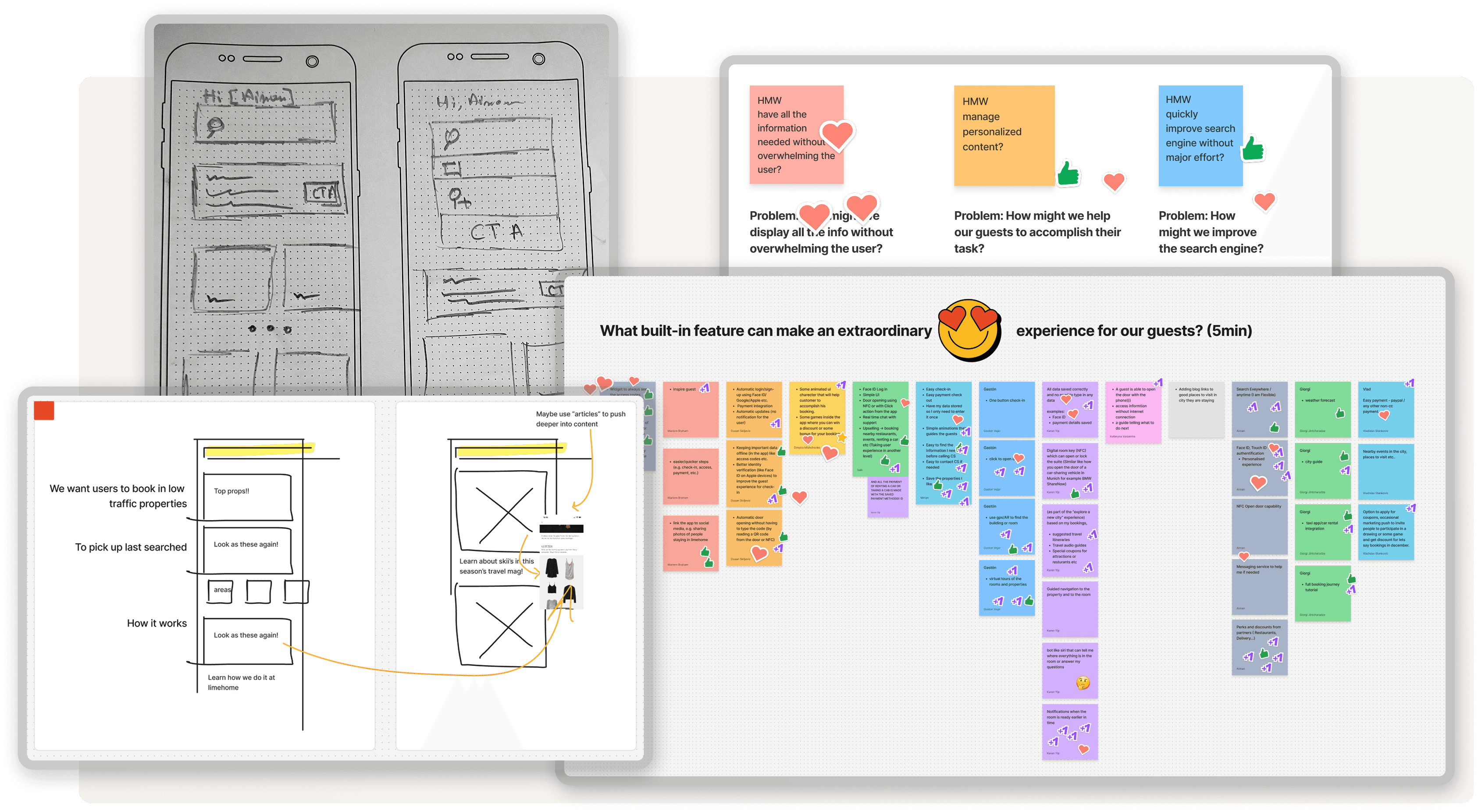
Ideation workshops

Ideation workshops

Iterations

Iterations

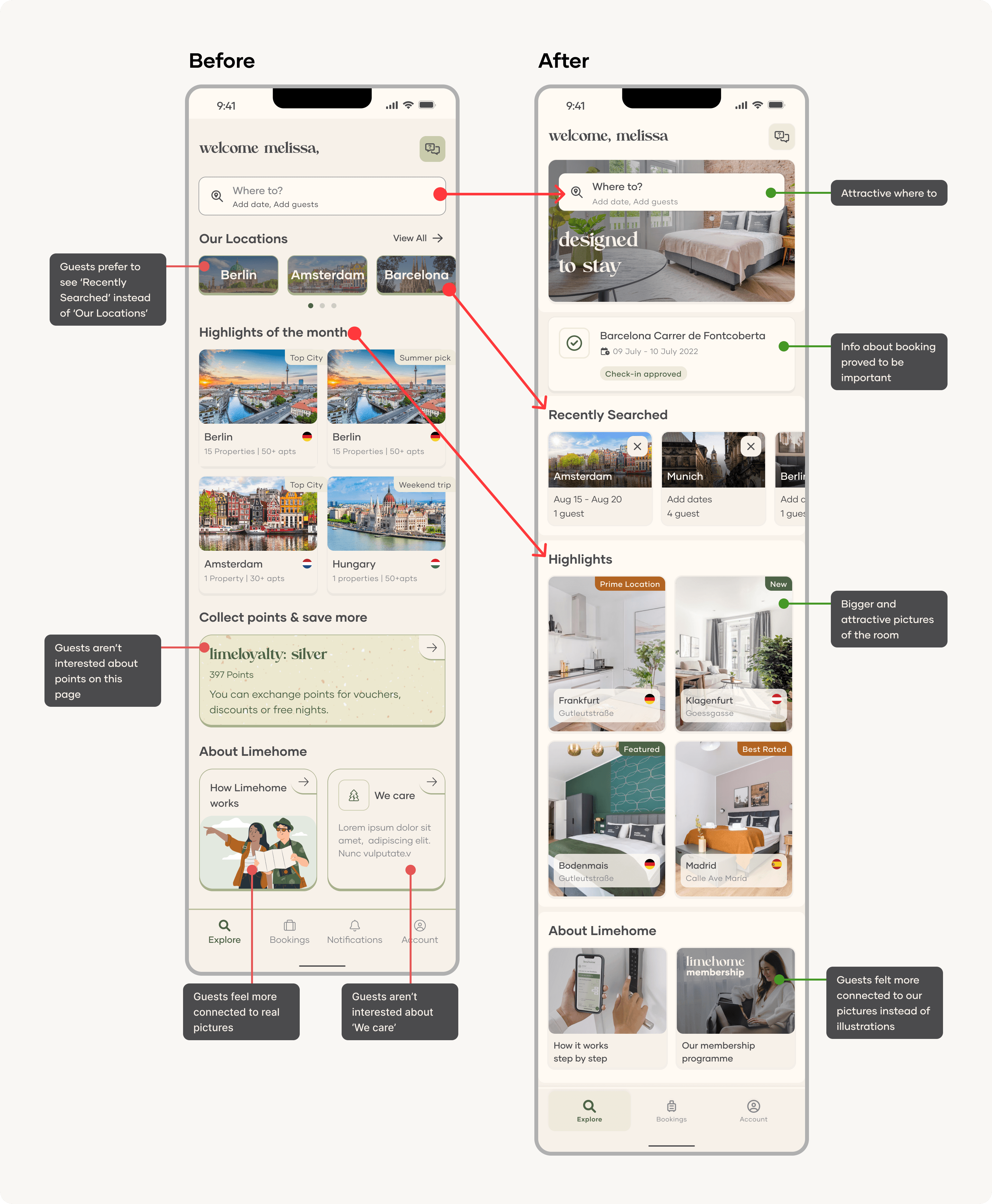
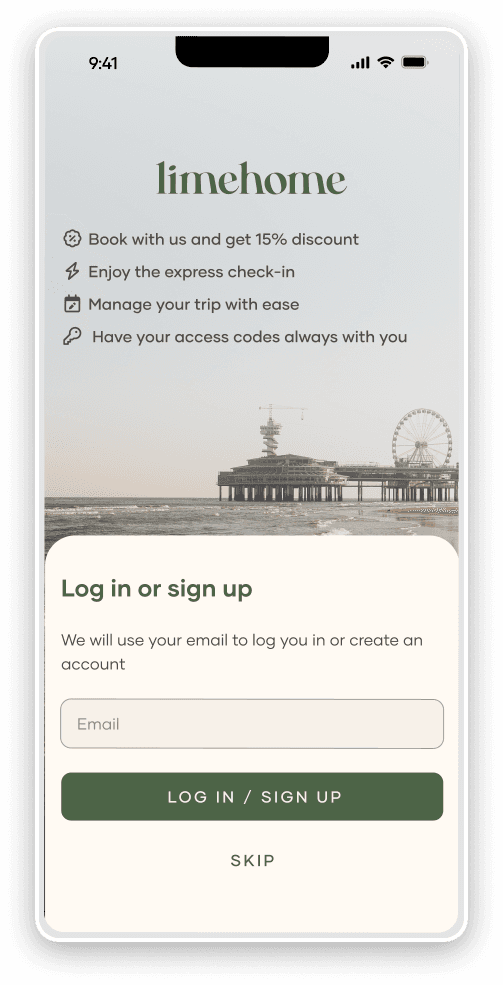
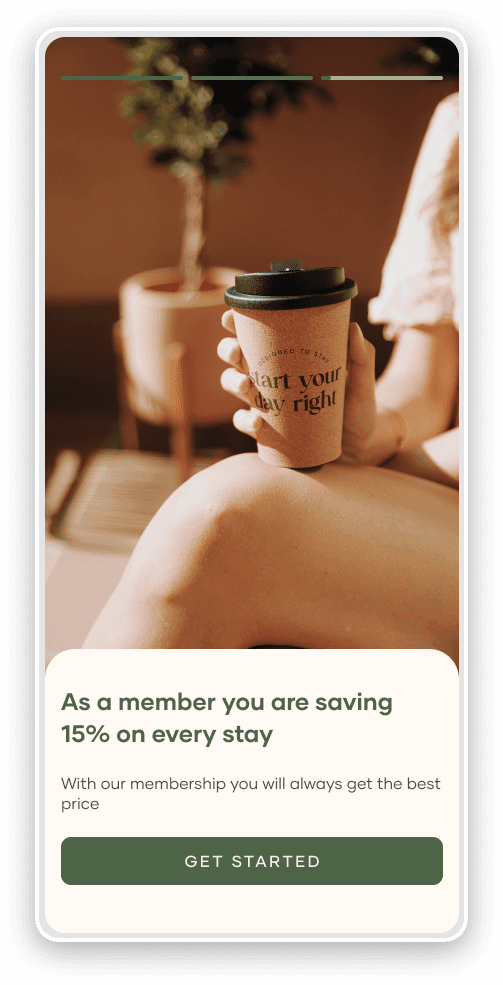
Based on testing insights, we iterated on the wireframes to simplify onboarding flows and clarify feature hierarchy.
Learnings & next steps

Learnings & next steps

Post-launch data and user feedback showed strong adoption of core features, while revealing opportunities to improve discoverability and guidance at key moments in the guest journey. Based on these insights, we prioritized iterative improvements to navigation, contextual communication, and self-service flows to further reduce friction and support guest independence.

Reflexion

Reflexion

In hospitality, a great mobile experience isn’t about feature depth — it’s about being useful at the exact moment a guest needs help.

By focusing on clarity, self-service, and timing, we built a product that worked for both guests and operations.