Reducing Friction in Online Check‑In to Increase Early Completion
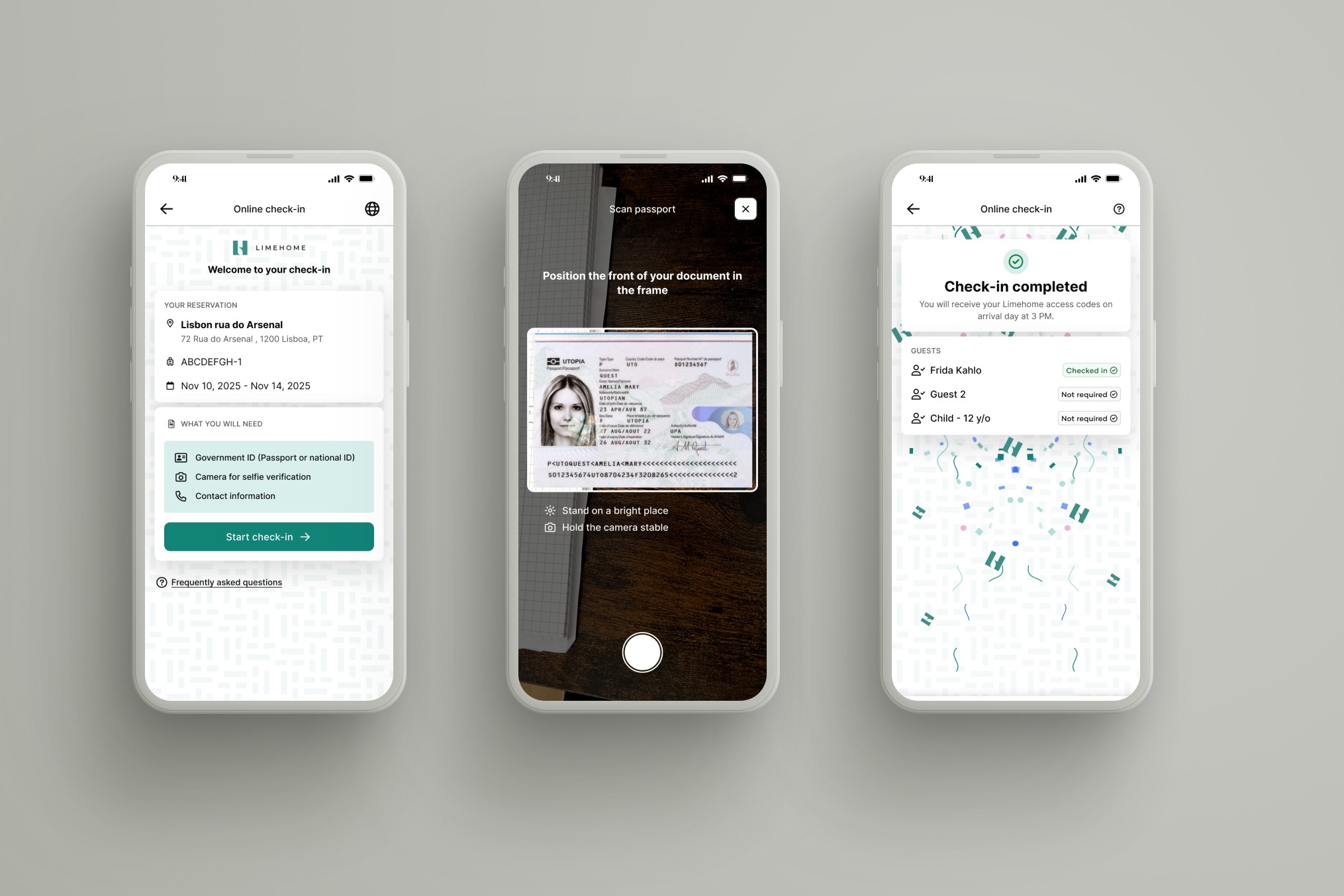
Online check‑in is a mandatory step before arrival. However, many guests postponed or abandoned the process until the last moment.
Late completion created operational pressure, increased guest uncertainty close to arrival, and reduced the effectiveness of automated communication and access processes.
Responsabilities
UX Research UX/UI Design AI prototyping QA testing
Tools
Figma Chattermill Lovable Miro
Type
Mobile-first web
Timeline
9 weeks (2025)


Problem statement
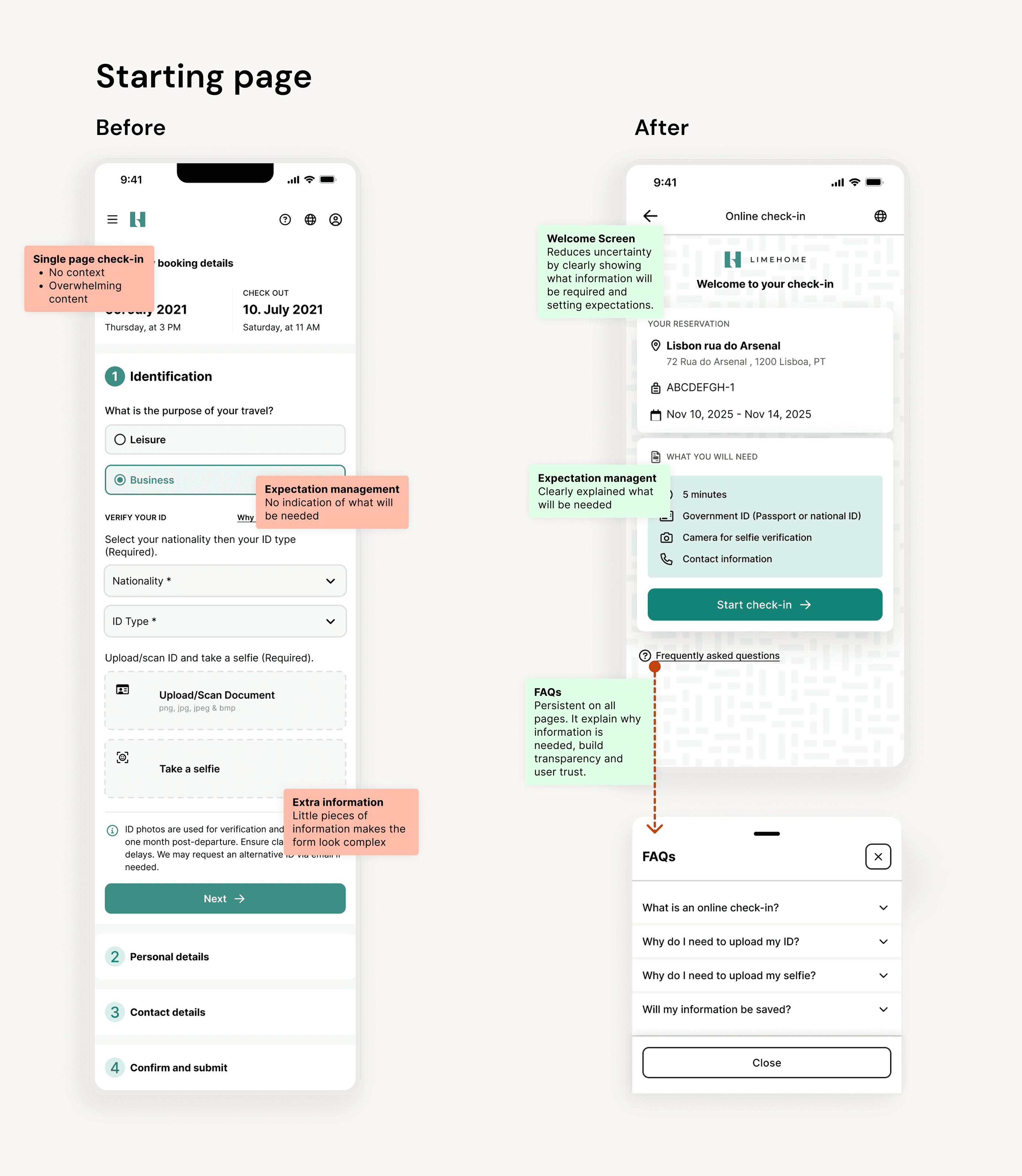
Guests did not avoid online check-in because it was long. They avoided it because it felt risky to start.
Overwhelming on mobile, where most check-ins happen
Unclear why personal information was required
Fear of starting without having all documents ready
These moments of friction caused guests to postpone or abandon the process, leading to late completions, missing access codes at arrival, and manual intervention from support teams.
What I focused on understanding
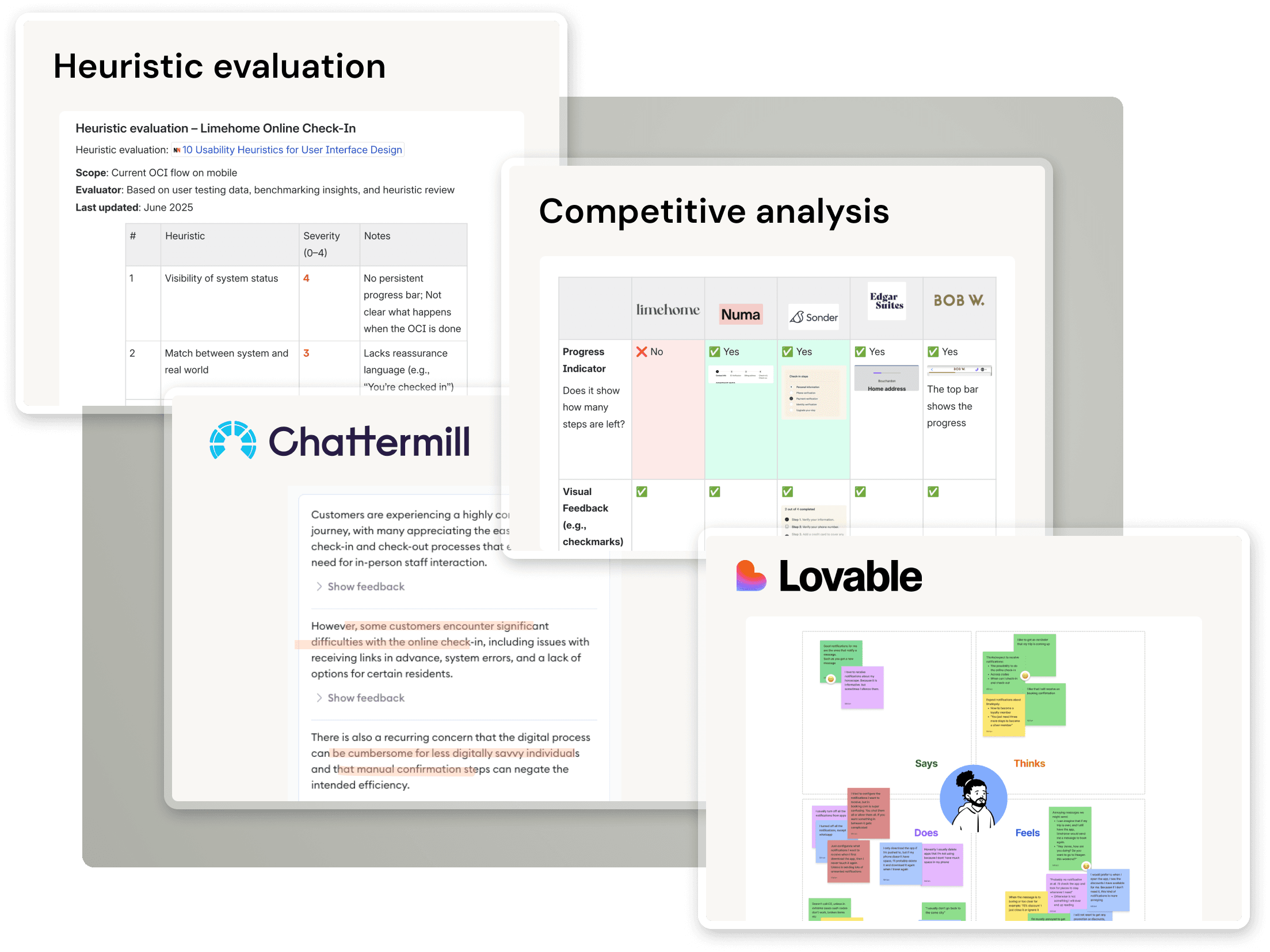
To understand where friction occurred, I combined multiple inputs:
Heuristic evaluation of the existing flow
Competitive and cross‑industry analysis (hospitality, airlines, fintech onboarding)
Feedback from customer support and guest interviews (Chattermill)
User testing comparing the existing experience with an interactive prototype
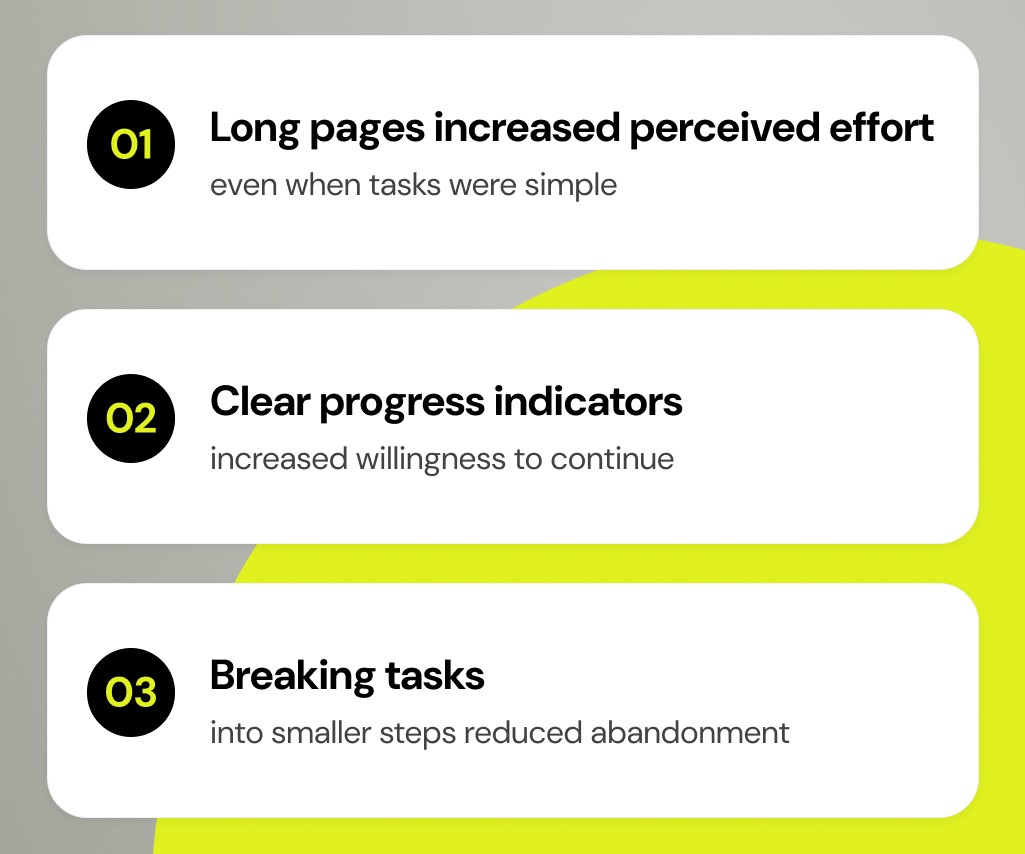
What emerged consistently

5/5
Testers found the new flow easier
4/5
Users reported higher confidence
Fewer
moments of hesitation
Design Strategy
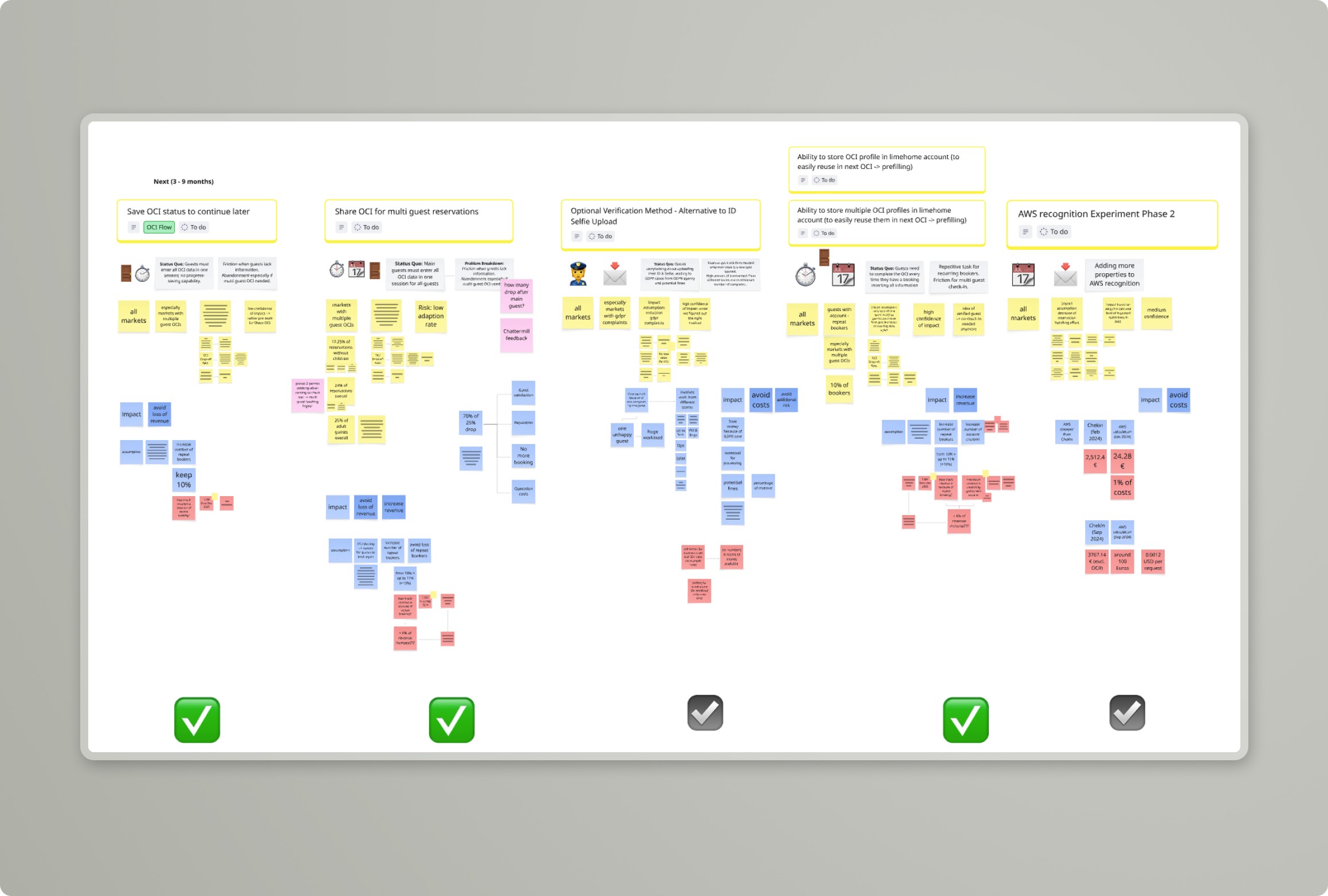
Plan features with Tech and Product
Facilitated a cross-functional workshop with product and engineering to align on priorities. Key outcomes:
Prioritized impact: Features that deliver the most value to users and business.
Feasibility checked: Early alignment on technical constraints.
Shared roadmap: Created consensus across design, product, and engineering.
The solution
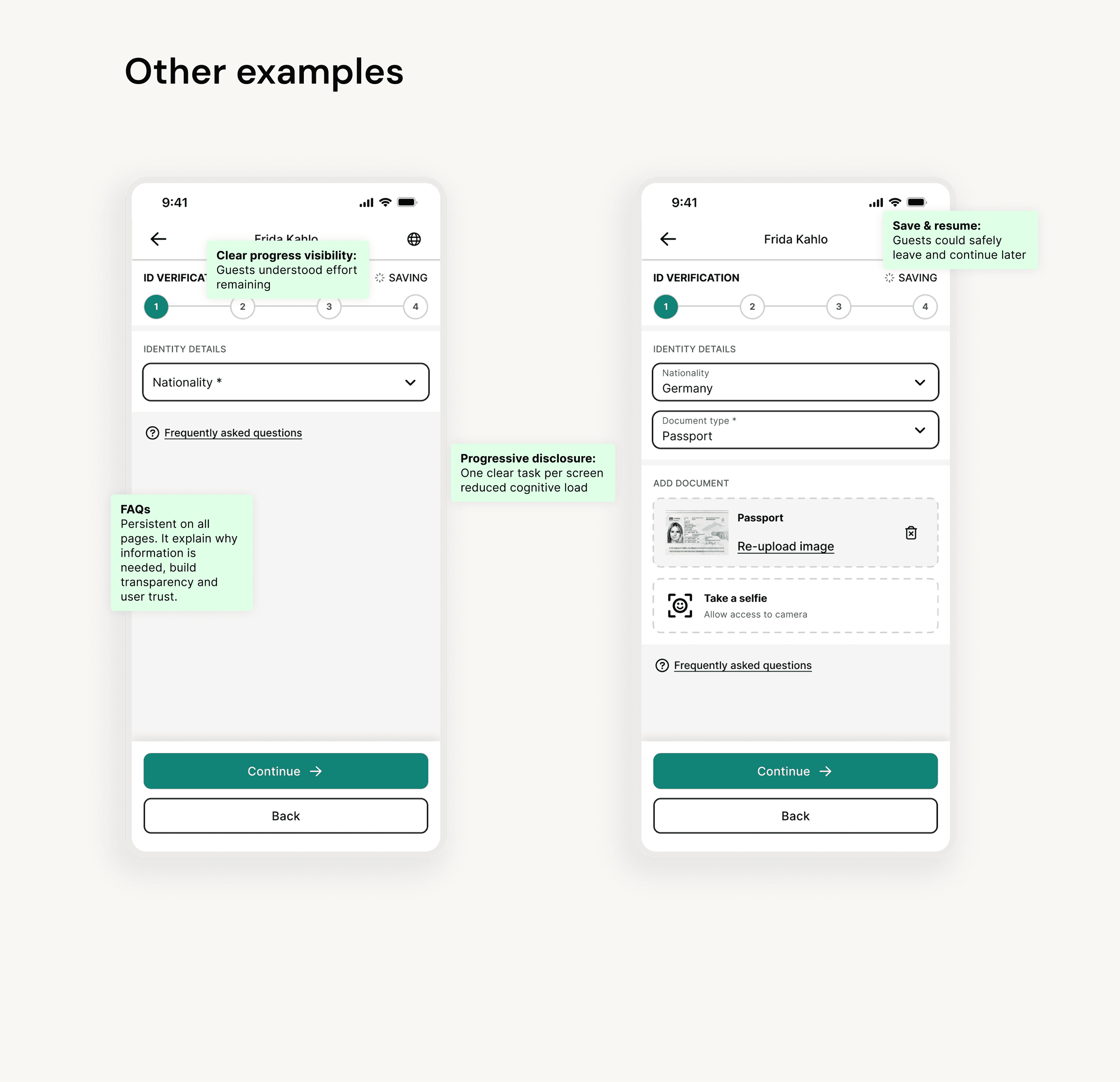
Final iteration
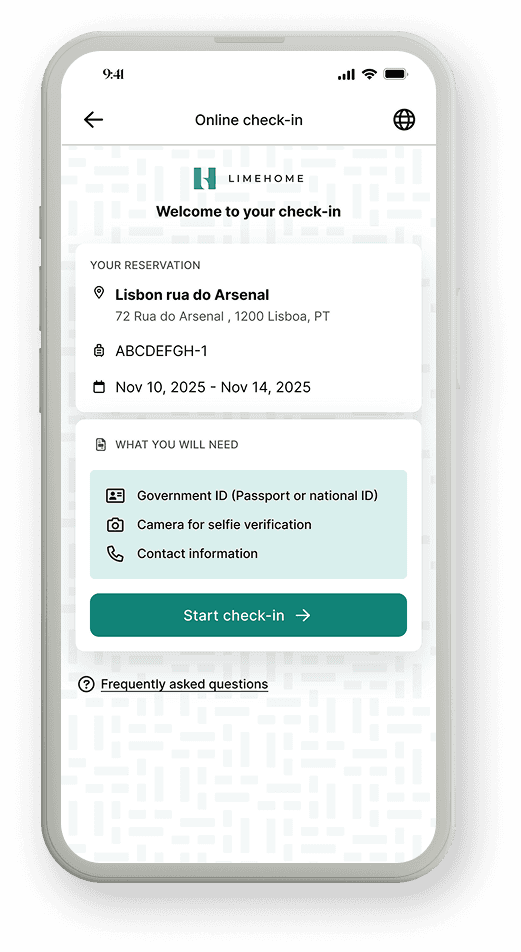
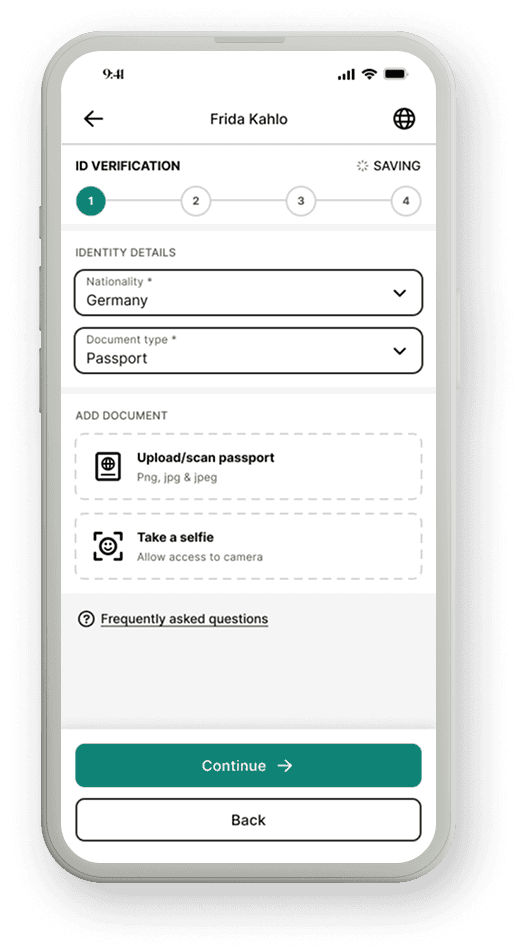
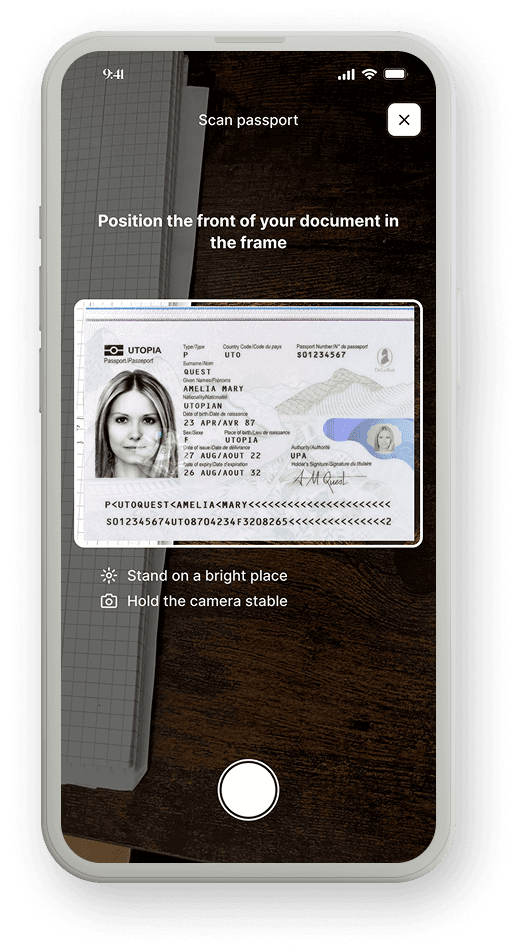
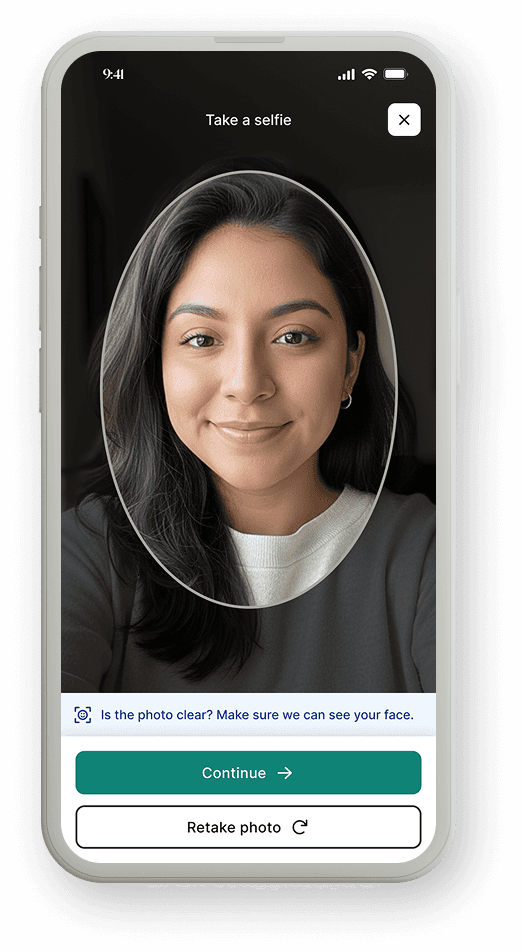
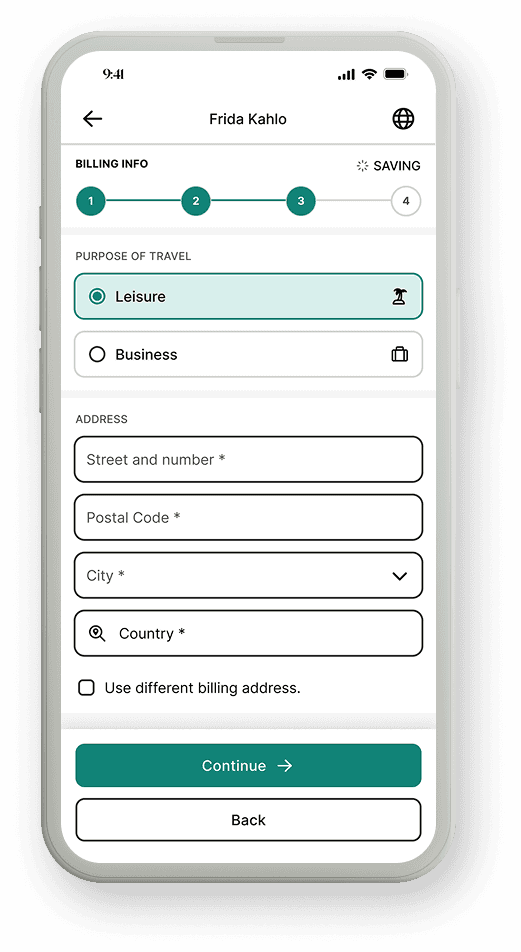
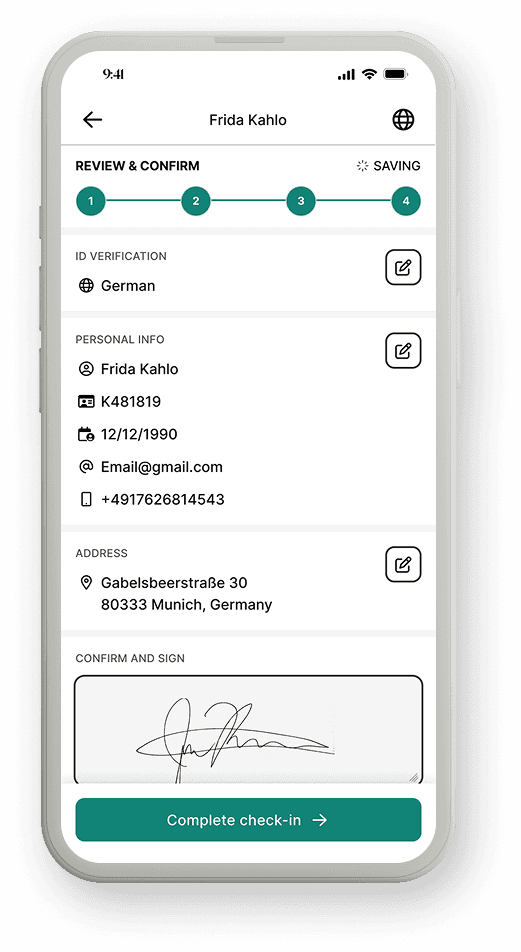
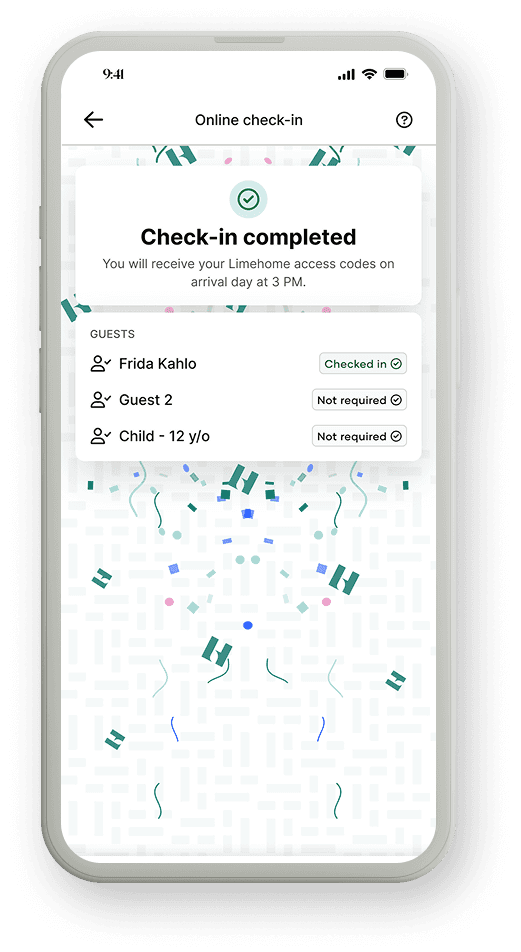
Small confirmations
Outcome
Increased early completion of online check‑in
Reduced last‑minute guest friction before arrival
Improved operational predictability for access and communication flows
Reflexion
Improving completion wasn’t about removing steps — it was about reducing hesitation. By lowering perceived effort and allowing flexible progress, we turned a mandatory task into a manageable one.